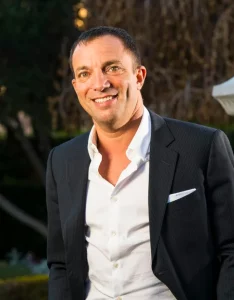
My name is Mitch Garber, and my journey into the global gambling and interactive gaming industry began long before I ever led billion-dollar companies or shaped international gaming policy.
I was born on September 5, 1964, in Montreal, Canada—a city that shaped both my character and my ambitions. My upbringing was modest, but deeply influential. My father was an entrepreneur, and from him I learned resilience, risk-taking, and the realities of financial highs and lows. These early experiences would later influence my understanding of risk—an essential concept in the gambling world.
Education and Intellectual Formation (1986–1989)
I earned my Bachelor of Arts degree from McGill University in 1986, followed by a law degree from the University of Ottawa in 1989. These years were foundational—not just academically, but intellectually. I became fascinated with regulatory systems, probability, and the legal frameworks that govern industries where risk and reward intersect.
Legal Career in Gambling Law (1990–1999)
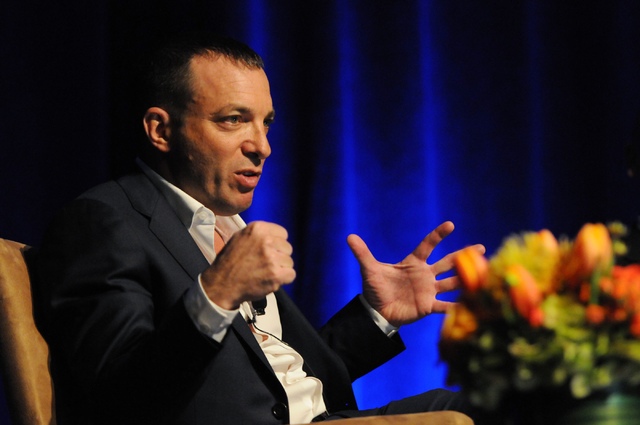
My professional career began in 1990, when I started practicing law. I specialized in gaming and gambling law, an area that at the time was still evolving and often misunderstood.
From 1990 to 1999, I worked as a lawyer focusing on:
- Regulatory compliance in gaming industries
- Legal structures for betting and online gambling platforms
- Cross-border gambling legislation (Canada, UK, emerging digital markets)
This decade was critical. It gave me:
- A deep understanding of risk regulation
- Insight into governmental attitudes toward gambling
- Early exposure to what would become online gaming ecosystems
In parallel, I also worked as a sports radio commentator in Montreal—an experience that sharpened my communication skills and deepened my connection to sports, betting culture, and audience psychology.
Transition Into Online Gambling & Fintech (1999–2003)
In 1999, I made a pivotal move: I co-founded SureFire Commerce, a company focused on online payment processing—a critical infrastructure layer for digital gambling platforms.
This was the moment I transitioned from:
- Observer of the gambling industry → Architect of its future
At SureFire Commerce (later evolving into Paysafe), I worked on:
- Payment gateways for online casinos
- Secure transaction systems for betting platforms
- Fraud prevention in high-risk gaming environments
This period coincided with the explosion of online gambling in the early 2000s, and I was right at the center of it.
CEO of Paysafe / Optimal Payments (2003–2006)
From 2003 to 2006, I served as CEO of Optimal Payments (now Paysafe), where I led the company’s expansion into the global gaming economy.
Key achievements during this period:
- Scaling payment infrastructure for major online gambling operators
- Building trusted financial systems for high-volume betting markets
- Strengthening compliance in jurisdictions with strict gaming laws
This role positioned me as a bridge between finance and gambling, a niche that would define much of my career.
Entry Into Global Gambling Leadership — PartyGaming (2006–2008)
In 2006, I became CEO of PartyGaming Plc, one of the largest online gambling companies in the world at the time.
Years active:
- CEO: 2006–2008
At PartyGaming, I faced one of the most complex moments in gambling history:
- The impact of the Unlawful Internet Gambling Enforcement Act (UIGEA) in the United States
- Legal scrutiny of online poker and betting operators
- Negotiations with U.S. authorities
I played a leading role in guiding the company through:
- Regulatory crises
- Strategic withdrawal from the U.S. market
- Negotiations with the Department of Justice
This period taught me that success in gambling is not just about growth—it’s about navigation of legal risk, reputation, and global compliance.
Early Research, Thought Leadership & Industry Influence
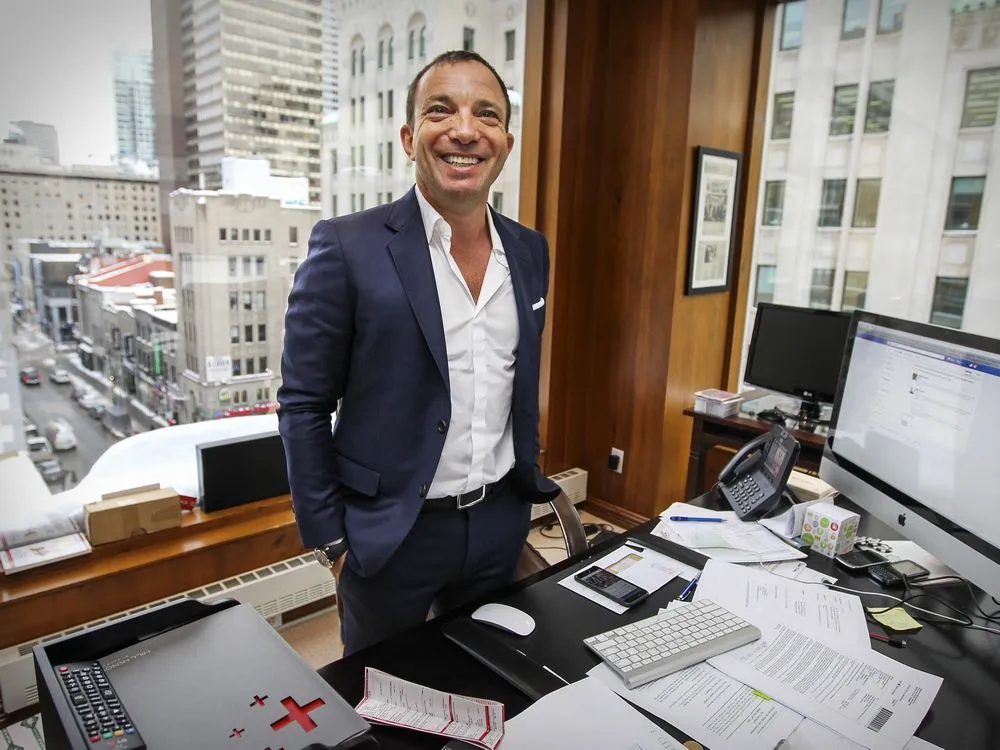
While I am not an academic researcher in the traditional sense, my work has consistently contributed to practical research and policy development in gambling.
Key Areas of My “Applied Research”:
- Online gambling regulation models (UK, Canada, U.S.)
- Payment security in high-risk industries
- Player behavior and digital engagement
- Legal frameworks for interactive gaming
Industry Recognition:
- Named among the most influential people in gambling by Global Gaming Business (2009)
Early Speaking Engagements & Public Presence
During this phase of my career (late 1990s–2000s), I participated in:
- Gaming law conferences in North America and Europe
- Financial technology forums focused on online payments
- Industry panels on the future of online poker and digital casinos
My speaking themes often included:
- “The Future of Online Gambling Regulation”
- “Payments as the Backbone of Digital Gaming”
- “Risk, Trust, and Compliance in Online Betting”
After navigating the turbulent years at PartyGaming, I entered a new phase of my career—one defined not just by survival in a highly regulated industry, but by innovation, expansion, and global influence in gambling.
Caesars Interactive Entertainment (2009–2018)
In 2009, I joined Caesars Entertainment as CEO of its digital division, Caesars Interactive Entertainment (CIE).
Years active as CEO:
- 2009–2018
This role marked a turning point—not only for me, but for the gambling industry as a whole.
My Mission
I set out to transform a traditional casino empire into a digital-first gaming powerhouse.
Key Focus Areas:
- Expansion of online poker platforms
- Integration of real-money gambling and social gaming
- Global licensing and regulatory compliance
- Revitalization of iconic gambling brands
Caesars, WSOP & the regulated digital gambling shift
2009–2018 • executive leadership • online poker • social casino • licensed market growth
Strategic timeline
2009–2018Key metrics
expert viewCaesars Interactive
WSOP / WSOP.com / Playtika
digital business era
Ecosystem model
tap sections- Expanded international relevance beyond Las Vegas
- Strengthened the bridge between live tournaments and online qualification
- Modernized poker access for a broader player base
- Positioned regulated online poker as a viable legal model
- Aligned product growth with jurisdictional compliance frameworks
- Connected secure online play to marquee WSOP participation
- Extended reach through non-wager social casino environments
- Supported acquisition, engagement, and behavioral insight
- Added major digital revenue strength to the ecosystem
The World Series of Poker (WSOP) — Global Expansion
One of my most important responsibilities was overseeing the World Series of Poker (WSOP), the most prestigious poker event in the world.
Under my leadership:
- WSOP expanded beyond Las Vegas into Europe and Asia
- We significantly increased international player participation
- Online qualifiers became a major pipeline for live tournaments
I focused on blending:
- Live tournament experience
- Digital accessibility
This hybrid model helped modernize poker and attract a new generation of players.
Launch of WSOP.com — Digital Gambling Evolution
A major milestone came with the launch and expansion of WSOP.com, Caesars’ regulated online poker platform.
What We Built:
- Fully licensed real-money online poker platforms in the U.S.
- Secure player ecosystems compliant with state laws (Nevada, New Jersey, etc.)
- Integration with live WSOP events
This was not just a product—it was a proof of concept that:
Online gambling could be legal, secure, and scalable in regulated markets.
Social Gaming & Playtika Acquisition
Another major strategic move during my tenure was the acquisition and growth of Playtika, a social casino gaming company.
Why It Mattered:
- Social gaming became a gateway into gambling ecosystems
- Players could engage without financial risk, then transition to real-money platforms
- Data insights from social games informed real gambling behavior
Under my leadership, Playtika became:
- One of the largest social casino developers in the world
- A key revenue driver for Caesars Interactive
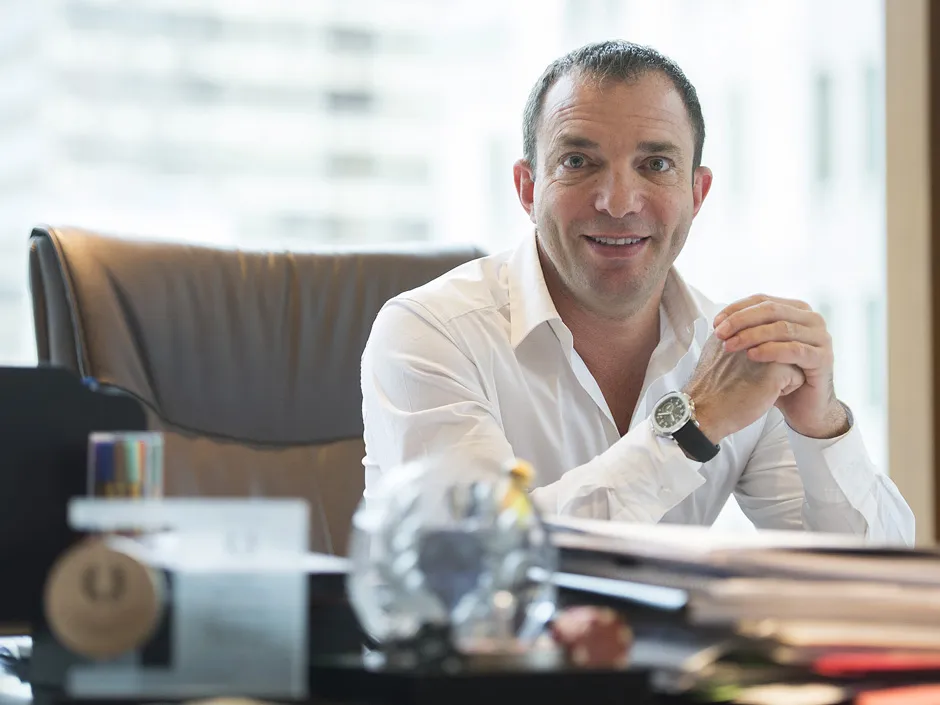
Research, Innovation & Industry Impact
During this period, my work evolved into a form of industry-driven research and innovation.
Key Areas of Contribution:
1. Player Behavior Analytics
- Studying how users interact with online poker and casino platforms
- Identifying engagement patterns and retention drivers
2. Regulatory Framework Development
- Working with U.S. regulators on legal online gambling models
- Helping define compliance standards for digital betting
3. Responsible Gambling Initiatives
- Promoting safer gaming environments
- Implementing tools for player protection and self-regulation
Major Speaking Engagements (2009–2018)
As the industry evolved, so did my role as a public voice.
I spoke at major global events, including:
- International gaming summits in Las Vegas, London, and Macau
- Financial technology conferences focused on payments and compliance
- Panels on the legalization of online gambling in the United States
Common Topics I Addressed:
- “The Future of Regulated Online Gambling in the U.S.”
- “Bridging Land-Based Casinos and Digital Gaming”
- “Data, Behavior, and the Next Generation of Players”
Navigating Regulation & Legalization in the U.S.
One of the defining challenges of this era was the gradual legalization of online gambling in the United States.
I worked closely with:
- State regulators
- Legislators
- Industry stakeholders
Together, we helped:
- Establish legal frameworks for online poker and casinos
- Build trust in regulated digital gambling markets
- Transition the industry away from gray-market operations
Strategic Exit and Value Creation
In 2013, Caesars Interactive was partially sold in a deal valuing the business at over $4 billion—a reflection of the digital strategy we had built.
This was a defining validation of:
- The long-term viability of online gambling
- The importance of technology-driven gaming ecosystems
Investing, Advisory Work, and My View of Gambling’s Future
After my executive chapter at Caesars Interactive, I moved into a broader role as an investor, chairman, and adviser. By then, my career was no longer limited to operating gambling companies from inside the executive suite. Instead, I was applying what I had learned from gaming, regulation, digital payments, brand-building, and large-scale transactions to a wider portfolio of businesses and public institutions.
From 2018 to 2022, I served as the inaugural Chair of Invest in Canada, the federal agency created to attract foreign direct investment into the country. That role was not a gambling position in the narrow sense, but it reflected many of the same skills that had defined my work in gaming: understanding regulation, building trust with governments, evaluating complex markets, and helping global capital move into structured, compliant environments.
At the same time, I continued working as an active investor and board member. Public biographies from the University of Ottawa and corporate board materials describe my involvement with firms and investment groups connected to technology, infrastructure, entertainment, and consumer brands, including associations with Apollo-backed companies, Rackspace Technology, Shutterfly, Lanvin-related boards, and other private-market investments. That stage of my career showed how transferable gambling-sector experience can be: if you understand digital acquisition, retention, risk, compliance, and customer behavior, you can operate effectively in many adjacent industries.
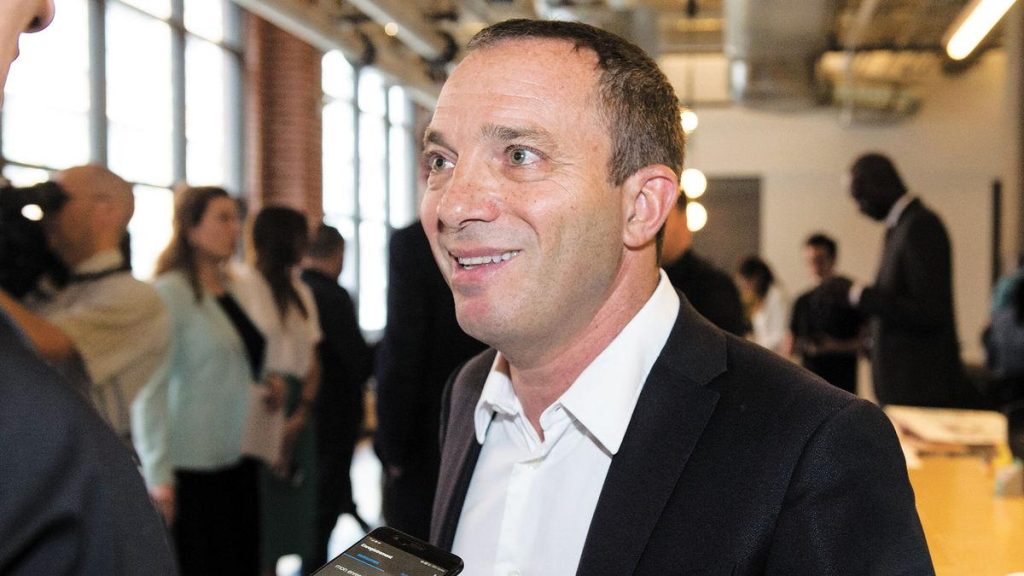
I also served as non-executive Chairman of Cirque du Soleil from 2015 to 2020, a role that strengthened my view that entertainment businesses and gambling businesses often share the same strategic foundation: emotionally powerful brands, premium customer experience, international audiences, and the constant challenge of converting attention into sustainable revenue. In gambling, that might mean poker liquidity, tournament prestige, or casino engagement; in entertainment, it means audience loyalty and repeat participation. The mechanics are different, but the commercial psychology is often surprisingly close.
Even as I diversified, gambling remained one of the defining themes of my career. Looking back, I see my contribution not only in company leadership, but in helping normalize the idea that regulated online gambling could be legitimate, scalable, and institutionally credible. Earlier in my career I had worked at the edge of legal uncertainty; later, I saw more jurisdictions embrace structured frameworks for betting and interactive gaming. In Canada, for example, federal legal changes in 2021 opened the way for single-event sports betting, showing how mainstream and policy-driven this sector had become.
That shift matters because the future of gambling is no longer defined only by casinos or poker rooms. It is increasingly shaped by five forces:
regulation, payments, mobile design, data, and trust. This is my core conclusion after decades in the industry. A gambling operator can have a famous brand and a large database, but without licensing discipline, secure payments, and responsible-gaming credibility, long-term value is fragile. My years in gaming taught me that true scale comes when technology and regulation evolve together. This is an inference based on the roles and sectors reflected in Garber’s public biographies and board work.
Another lesson I carried forward is that gambling is never just about wagering. It is also about behavioral design. Poker, casino products, and sports betting all depend on user flow, reward mechanics, session time, and emotional pacing. That is why I have always believed the strongest operators are the ones that combine commercial ambition with disciplined player protection. The companies that endure are not simply the ones that grow fastest; they are the ones that build sustainable systems. This conclusion is an interpretation of the regulatory and platform-building arc visible across Garber’s career in payments, online gaming, WSOP, and public-service leadership.
My later work also expanded into emerging technologies, including AI-related investment activity noted in public biographies. To me, that is a natural continuation of what happened in gambling. Interactive gaming was always an early laboratory for personalization, fraud detection, customer segmentation, and real-time decision systems. As AI becomes more central across industries, I see gambling as one of the sectors where predictive analytics, safer-gaming tools, and adaptive user experiences will continue to develop fastest—provided regulators keep pace.
Publicly, I have also remained a visible speaker and business figure in Canada and abroad. Event biographies and speaker profiles consistently frame my expertise around entrepreneurship, investment, gaming, entertainment, and nation-brand or economic leadership. In that sense, my speaking work has become an extension of my operating career: I talk not only about gambling itself, but about the bigger systems around it—capital, reputation, governance, and digital transformation.
Recognition in Canada became another important part of this chapter. I was named a Member of the Order of Canada, awarded in 2019 and invested in 2022, in recognition of contributions that included gaming, entertainment, and my role at Invest in Canada. For me, that honour represented something larger than personal success. It symbolized the fact that careers built in sectors like gambling and digital gaming can also contribute to national economic development, public dialogue, and institutional legitimacy.
So, when I look at the final arc of my story, I do not see a departure from gambling. I see an expansion from gambling into a wider world of investment, governance, and innovation. The gambling industry gave me the ideal training ground: it is global, highly regulated, technologically demanding, reputationally sensitive, and intensely competitive. Few sectors teach leadership under pressure more effectively. And that is why, even in my later roles, the logic of gambling never really left my thinking—it simply became part of a larger philosophy about risk, opportunity, and disciplined growth.


